A Life Beside the Lima River in Viana do Castelo
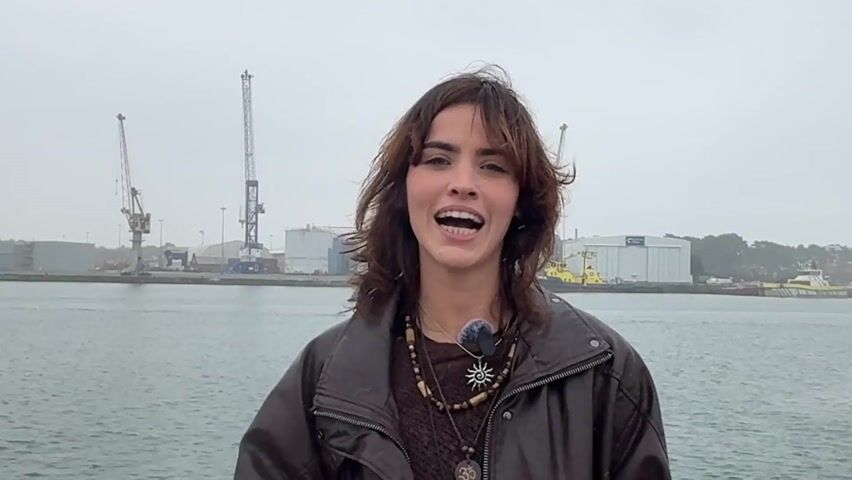
For Experio, Letícia takes us to Viana do Castelo, the Portuguese city where she grew up beside the Lima River. Through fishing traditions, quiet streets, and familiar local places, she shares a side of her hometown that visitors rarely see.
By Letícia - Local Contributor, Viana do Castelo, Portugal
Most visitors to Viana do Castelo begin with the Sanctuary of Santa Luzia, perched high above the city, or the historic Gil Eannes ship moored along the waterfront. These are the places that appear in travel guides and holiday photographs.
Letícia knows them well, having spent most of her life in Viana do Castelo, but they aren't where she would begin a tour of her hometown. She grew up beside the Lima River, in Darque, on its southern bank, where the water is part of everyday life. She has travelled beyond Portugal and experienced the pace of other places, which perhaps makes her appreciate Viana's slower routines even more.
In the video she made for us, Letícia takes us away from the familiar viewpoints to show the places and ordinary moments that have shaped her relationship with the city.
Where the Fishermen Begin Their Day
Long before the shops open, Viana's fishermen are already preparing for work. Their boats line the waterfront, equipped with nets, ropes, and gear that have little to do with the pleasure cruises visitors might expect to find beside a river.
Letícia is particularly interested in the knowledge these fishermen carry. They judge the weather by looking at the sky, understand changes in the wind, and repair boats they have worked with for years. At Darque's old fishing pier, vessels sometimes rest on the mud at low tide, waiting for the water to return. On another day, the same place might be busy with painting, scraping, and repairs.
She also recalls the region's long history of cod fishing, when men sailed to the distant waters of Newfoundland and Greenland, sometimes never returning home. For Letícia, these histories give the working boats along the river a significance that visitors might otherwise miss.
Across the River, Where Life Moves Differently
Living on the southern bank has given Letícia a particular affection for the river. She describes a small boat crossing towards Cabedelo, a journey of only a few minutes that offers a different perspective on the city and its relationship with the Atlantic.
Along the waterfront, fishing vessels share the water with sailing boats and smaller recreational craft. Some are moored in marinas, while others are pulled ashore for maintenance. The changing tides remain a familiar part of life.
Letícia also enjoys the quieter riverside paths, including those around the Urban Ecological Park, often called Caldeira by locals. There, away from the busy promenade, people can walk beside the reeds, sit near the water, or spend an afternoon fishing. These are the places she hopes visitors will discover, even if they never appear on a list of the city's main attractions.
The Streets Between Celebrations
Viana do Castelo is not always as quiet as Letícia describes it. During the Festas d'Agonia, the city fills with music, traditional costumes, and celebrations that bring crowds into the streets.
She points out that traces of the festival remain long after it ends. Old posters fade on the walls, while some restaurants display the colours and patterns associated with the traditional costumes. In one restaurant she visits, blue Portuguese tiles cover the walls, another detail of the local character she values.
But on an ordinary afternoon, the atmosphere changes. Side streets are quiet, people take their time over conversations, and even the rain rarely seems to interrupt daily routines.
Letícia has a more delicious recommendation too: Zé Natário, known for its bolas de Berlim, the cream-filled pastries that attract queues of locals as well as visitors. She considers it a genuine part of life in Viana, and a stop worth making.
An Afternoon in the Public Garden
One of Letícia's favourite examples of the city's relaxed character is the Public Garden, a green space beside the river dating back to 1881.
The garden has long been a meeting place. Its old bandstand recalls the musical performances held here, while nearby Café Girassol has been part of local life since 1930. On certain weekends, artisans and antique sellers set up stalls, giving residents another reason to gather.
When Letícia visited for her video, the weather was rainy and the garden was unusually quiet. Yet she noticed families outside with their children and people lingering over coffee, seemingly in no particular hurry to be elsewhere.
These small scenes explain much of her affection for Viana do Castelo. Having spent most of her life beside the Lima River, she doesn't need the city's most famous attractions to remind her why she loves living here.
She hopes visitors will see Santa Luzia and the historic waterfront, but also make time for the fishing boats, neighbourhood streets, and gardens that residents enjoy throughout the year.
For Letícia, that is the Viana do Castelo worth getting to know.
※ Disclaimer: This story was created by an independent local contributor and reflects their personal experiences, observations, and opinions. Experio does not independently verify all contributor-submitted information and is not responsible for inaccuracies, opinions, or changes in the circumstances described. If you have concerns regarding the accuracy, privacy, copyright, or appropriateness of any content, please contact support@experio.global.