A Walk Through Kawangware: Nairobi’s Busiest Neighbourhood
Nairobi has plenty to show visitors, but what about the neighborhoods where ordinary life goes on? This time, we're heading to Kawangware with Purity, who calls it home. She takes us along its busy streets, introduces us to local food sellers, and shows us why the same item costs different just a few shops apart. It's a chance to see a part of Nairobi that rarely makes it into travel guides, with someone who knows it firsthand.
By Purity - Local COntributor, Nairobi, Kenya
Hi, I'm Purity! Have you ever wondered what everyday life in Nairobi looks like beyond the tourist attractions?
Today, I'm taking you to Kawangware, my neighborhood and one of the busiest parts of Nairobi. It's where people from different backgrounds live, work, shop, and find ways to make a living. And there are quite a few things about this place that might surprise you.
A Neighborhood That Wakes Up Early
Kawangware's name is associated with the idea of an "early riser." I find that quite fitting because people here start their days early to get things done.
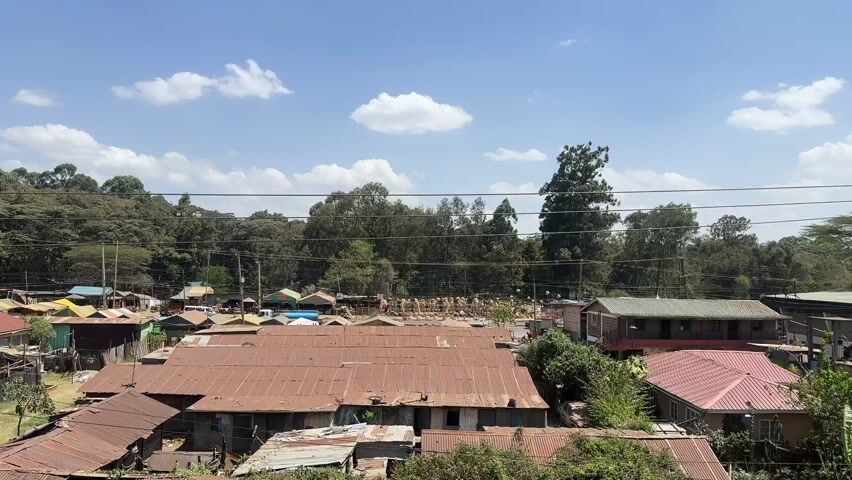
One interesting thing about Kawangware is how different income groups live alongside one another. You'll find simple iron-sheet houses not far from multistory apartment buildings. Many homes are small and compact, and despite the dense housing, there are still trees around the neighborhood.
But there are challenges, too. Garbage is sometimes burned near residential buildings because not everyone can afford waste collection services. It's one of the realities of living in a densely populated area.
So why do so many people choose to live here?
Location is a major reason. Kawangware is roughly 20 minutes from Nairobi's Central Business District when traffic allows. This makes it attractive to families, business owners, and people who have recently moved to Nairobi and want affordable, convenient access to the city.
Getting Around and Eating on the Road
Getting around Kawangware depends on how far you're going and how quickly you want to get there.
For short distances, some people cycle or walk. Others prefer boda bodas, our motorcycle taxis, which can be much faster when the streets are crowded.
Another common sight is women selling boiled eggs and fried sausages along the roadside. These small businesses are relatively easy to start and can serve customers without requiring a large shop.
The food usually comes with ketchup, chili, or kachumbari, a mixture of chopped tomatoes and onions. It's a popular way to add flavor to a quick snack.
As evening approaches, the roads become increasingly crowded. Cars, buses, motorcycles, and pedestrians all share the streets, especially near the local market. It can be chaotic, but residents become accustomed to navigating the traffic.
Why a Packet of Milk Can Cost Three Different Prices
Here's something interesting about shopping in Kawangware: the price of everyday essentials can vary considerably depending on where you buy them.
For example, during my visit, a packet of milk cost around 65 Kenyan shillings at a supermarket. A smaller neighborhood shop sold a comparable option for about 50 shillings, while some more basic shops offered milk for as little as 30 shillings.
For families managing a tight budget, those differences matter.
But price isn't the only reason people prefer neighborhood shops.
In Kawangware, shopkeepers and customers often know each other personally. A grocery seller might be your neighbor, a family friend, or someone's aunt. This familiarity creates a level of trust that you don't always experience in larger supermarkets.
Many vegetable stalls even display their produce on open tables beside the road. Customers stop to choose what they need, chat with the sellers, and continue their day.
Shopping locally also means supporting someone within your own community.
Fresh Food and Small Businesses
One thing I appreciate about Kawangware is how many food options are available within a small area.
If you're hungry but don't want to cook, roadside sellers offer inexpensive snacks, including portions costing around 5, 10, or 15 Kenyan shillings. You can also buy chips, as we call French fries here.
Personally, I prefer fish when I'm looking for protein.
Tilapia is one of the fish available in the local market, usually selling for around 150 to 300 Kenyan shillings, depending on its size. Fish stalls aren't as common as vegetable shops, so knowing a reliable seller is useful.
There are also butcheries selling meat and grocery stalls offering tomatoes, onions, and fresh vegetables.
I often prefer buying vegetables from these local sellers because I can choose the produce myself, and the attendants are usually happy to help.
The variety gives people flexibility. You can buy ingredients to cook at home, purchase a ready-made meal, or simply pick up a snack on your way back from work.
Matatus and Life After Dark
Even after sunset, Kawangware remains busy. People return from work, stop for groceries, and look for transport home.
One of my favorite parts of Nairobi's transport culture is the matatu.
Matatus are privately operated public transport vehicles, and the more elaborately decorated ones are often known as nganyas. Many feature colorful paintings, lettering, and bold designs, making them instantly recognizable on the streets.
They are an important part of how people travel around Nairobi, although traffic can become particularly difficult during evening rush hour.
Road safety is a concern. During my walk, a car and a boda boda were involved in a collision, a reminder of the risks when so many different vehicles share crowded roads.
For someone unfamiliar with Kawangware, the busy streets and dimly lit areas might feel intimidating at first. But as a resident, I know my way around and feel comfortable here. I still recommend keeping your phone and belongings secure, especially in crowded markets.
That's everyday life in my neighborhood. Kawangware has its challenges, but it also offers affordable shopping, convenient transport, and opportunities for small businesses.
It's the part of Nairobi I know personally, and I'm glad I could share it with you.
What about your neighborhood? Where do people usually shop, eat, and spend their evenings?
※ Disclaimer: This story was created by an independent local contributor and reflects their personal experiences, observations, and opinions. Experio does not independently verify all contributor-submitted information and is not responsible for inaccuracies, opinions, or changes in the circumstances described. If you have concerns regarding the accuracy, privacy, copyright, or appropriateness of any content, please contact support@experio.global.