A Walk Through Malioboro: Street Life, Batik, and Local Flavors in Yogyakarta
Today, we take you to Malioboro Street in Yogyakarta, Indonesia, where our local contributor Dina shows us around one of the city's liveliest areas. From traditional horse-drawn carriages and batik shops to street food and historic cafés, she shares a glimpse of everyday life before exploring Beringharjo Market, known for its local crafts, affordable clothing, and traditional snacks.
By Dina — Local Contributor, Yogyakarta, Indonesia
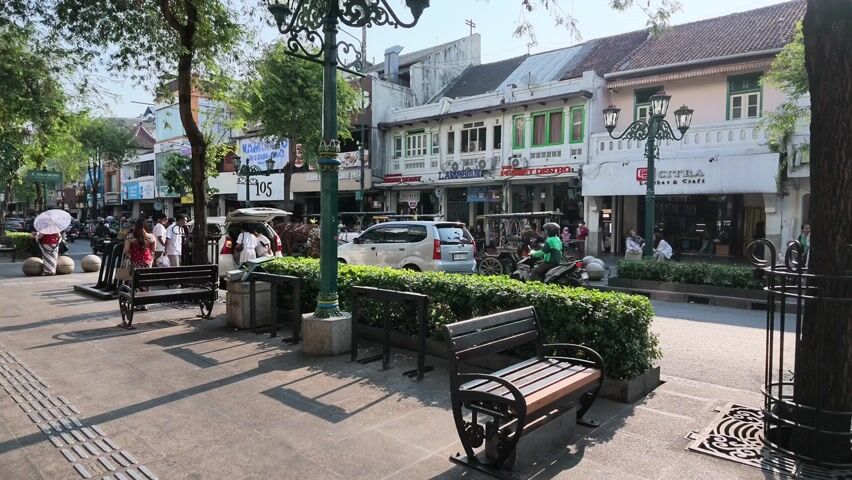
Malioboro is one of the busiest and most familiar streets in Yogyakarta. People come here to shop, eat, meet friends, or simply spend an afternoon walking around. Along the street, traditional horse-drawn carriages share the road with modern vehicles, while shops sell everything from batik clothing to local snacks.
Today, I'm taking you along Malioboro and into Beringharjo Market, one of the city's oldest trading places, to show you some of the food, traditions, and everyday life that make this part of Yogyakarta special.
A Walk Along Malioboro Street
Yogyakarta may sound a little like Jakarta, Indonesia's capital, but the two cities have very different characters. While Jakarta is known for its fast-paced city life, Yogyakarta has maintained a strong connection to Javanese traditions.
Malioboro is a place where you can see that connection. Families gather on the benches, friends take photographs, and visitors rent traditional Yogyakarta outfits for photos along the street.
These outfits often feature velvet fabric in rich colors such as red, emerald green, and blue. Similar traditional clothing is still worn during ceremonies at the Yogyakarta Palace.
As we walk farther, you'll see rows of shops selling batik clothes, handmade bags, hats, and souvenirs. There are also plenty of cafés and places to sit when the afternoon sun gets too strong.
And of course, there are the dokar and becak.
A dokar is a traditional horse-drawn carriage, while a becak is a three-wheeled pedicab with an open passenger seat. Both are still part of Malioboro's streets, operating alongside motorcycles and cars. If you'd like to explore the area without walking the entire distance, taking a becak is another way to enjoy the surroundings.
Local Food and Small Shops
You won't have trouble finding something to eat around Malioboro. Along the main road are cafés, restaurants, and a shopping mall with a children's play area. But some of the more interesting food stalls are tucked away in the smaller alleys.
One of Yogyakarta's traditional dishes is sate klathak, goat meat grilled over charcoal and often served with rice cake and savory gulai curry.
Another local favorite is gudeg, made from young jackfruit slowly cooked with coconut milk, palm sugar, and spices. The result is a sweet and savory dish usually served with rice and chicken. Along my walk, I passed a small stall called Gudeg Mbak Tya.
For something cold, try es dawet, a drink made with soft green jelly-like strands, coconut milk, palm sugar syrup, and ice. It's especially refreshing in Yogyakarta's hot weather.
Malioboro also has newer treats, including Forest Gelato, along with traditional craft shops selling carved wooden decorations.
One café worth noticing is Kedai Djoen, which dates back to 1935. Its old-fashioned appearance is quite different from the more modern shops nearby.
Exploring Beringharjo Market
Continuing along Malioboro brings us to Beringharjo Market, a trading place with a history dating back to 1758.
Beringharjo is particularly famous for batik. Inside, you'll find rows of sellers offering batik shirts, dresses, pajamas, and everyday clothing. Some designs are suitable for weddings or formal occasions, while others are made for casual use at home.
One reason people shop here is the price. During my visit, sellers were offering three house dresses for IDR 100,000, making them considerably cheaper than similar clothing in many other shops.
But don't stop at the batik section. Head toward the back of the market, and you'll find a different atmosphere.
Here, vendors sell vegetables, traditional dishes, and snacks. I met an elderly vendor selling a fried snack with a small quail egg inside. Nearby were stalls offering gudangan, a local dish made from boiled vegetables mixed with seasoned grated coconut.
You can also find es dawet and other affordable refreshments here. It's a good area to see the everyday foods sold and eaten by local people, away from the souvenir shops at the front.
A Taste of Bakpia Pathok
Before leaving Beringharjo, I stopped at a section selling Yogyakarta's traditional snacks.
One of the best-known is bakpia pathok, a small pastry traditionally filled with sweet mung beans. These days, you'll also find chocolate, cheese, and other flavors.
At one stall, the vendor offered me a freshly made mung bean bakpia. It was still warm, which made it especially enjoyable.
A box of ten pieces was selling for just IDR 10,000, and customers could mix different flavors. It's an affordable souvenir to take home for family and friends.
More Than a Shopping Street
Malioboro and Beringharjo are places I would recommend to anyone who wants to experience Yogyakarta beyond its famous temples and tourist attractions.
You can see traditional clothing, watch dokar and becak making their way through traffic, explore small craft shops, and try the same foods local people enjoy.
You don't need a complicated plan. Start walking along Malioboro, take a few turns into the smaller streets, and make time to explore beyond the batik stalls at Beringharjo Market.
That's how I'd show someone this part of my city.
※ Disclaimer: This story was created by an independent local contributor and reflects their personal experiences, observations, and opinions. Experio does not independently verify all contributor-submitted information and is not responsible for inaccuracies, opinions, or changes in the circumstances described. If you have concerns regarding the accuracy, privacy, copyright, or appropriateness of any content, please contact support@experio.global.