Maadi: A Green Neighborhood with an Interesting History in Cairo
Cairo is a city of constant movement, but Maadi follows a different rhythm. Beneath its decades-old trees, quiet residential streets lead to neighborhood cafés, plant shops, and the banks of the Nile. Our local contributor Heba, who has called Cairo home for five years, takes us through the streets she loves, uncovering a neighborhood shaped by ancient history, diverse communities, and everyday life.
By Heba - Local Contributor, Cairo, Egypt
I moved to Cairo about five years ago, and I immediately fell in love with Maadi, one of Cairo’s most beautiful neighborhoods. It’s a residential suburb located on the eastern bank of the Nile River, and its interesting history only adds to its charm.
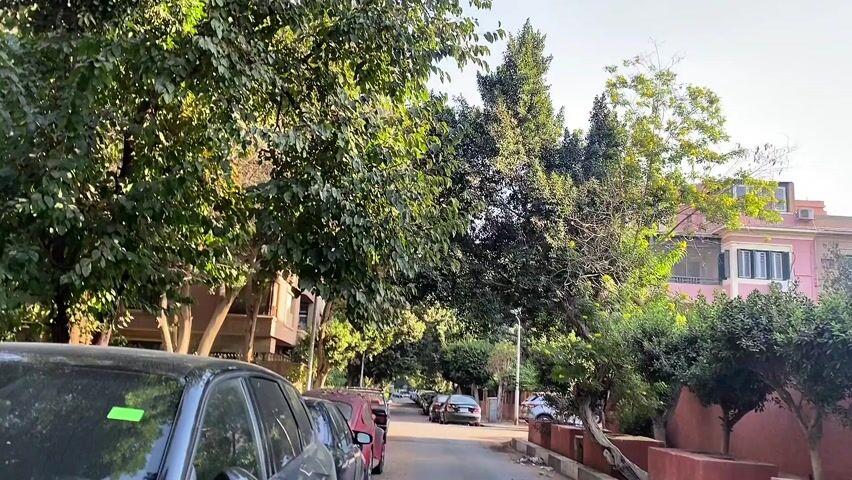
What I love most about Maadi is that it’s still a genuinely walkable neighborhood filled with trees and small coffee shops. Unlike the city's larger and newer districts, Maadi has a distinct charm that sets it apart from modern neighborhoods like Sheikh Zayed or New Cairo (Tagamoa). In those areas, finding 10-lane streets is quite common, and many roads stretch uninterrupted for several kilometers.
Even if you aren't a Maadi resident, also known as a “Maadian,” you'll still love visiting to work at a co-working space or catch up with friends to enjoy Cairo’s year-round warm weather. Whether for a morning stroll or an evening visit to a local bar, Maadi is a popular destination for those living on the eastern side of Cairo. It’s also one of the top choices for expats moving to the busy city.
A Green Community Along the Nile
Maadi was founded as a suburb when the railway was built to connect Cairo to Helwan. European and Egyptian professionals working on the railway needed to live nearby rather than commuting back and forth from Downtown Cairo every single day. And so, the idea for building a new upscale suburb was conceived.
Construction began at the start of the 20th century, following the English garden city model. By 1904, a private-sector enterprise alongside several Egyptian financiers purchased the land surrounding the old village of Maadi Khabiry. A Canadian urban planner then designed the suburb with linear streets, roundabouts, and generous green spaces.
In one of the most densely populated cities in the world, Maadi stands apart. It likely holds the largest number of mature trees in Cairo, with many stretching back 50 to 60 years or more.
History Lost Under the Bricks
During the initial planning and construction, archaeologists discovered interesting relics and artifacts dating back to 4,000 B.C. Research revealed these belonged to a prehistoric society known as the Maadi-Buto culture. Unfortunately, a large portion of the archaeological site was destroyed during the development of the modern suburb.
The exact circumstances surrounding this discovery remain somewhat obscure. Some longtime Maadi residents recall seeing structural remains as late as the 1960s, though over time, these were lost or removed. Workers probably built over those sites because they were unaware of their importance. Nevertheless, some scholars retrieved artifacts and still study the unbuilt areas around the outskirts of Maadi.
Little is definitively known about the Maadi-Buto culture because mud-brick excavations are difficult to preserve and study. However, evidence shows this culture was eventually absorbed into the Naqada cultures long before Egypt was unified under a single kingdom.
Walking Among the Trees
Maadi is divided into several distinct districts: Sarayat (Old Maadi), Degla, Zahraa, New Maadi, and Thakanat. Maadi Degla is particularly popular among expats who enjoy walking. As in other sections of the suburb, the streets are numbered rather than named, and these numbers don't follow a logical sequential order. This means that you can easily lose your way if you aren't familiar with the area or don't have GPS handy. To make matters worse, some numbers are repeated twice with only "A" or "B" used to differentiate between the two streets.
However, if you live here, daily walks among the mature trees and colonial-era villas are a constant highlight. Rents tend to be on the higher side though, but Degla remains an excellent base for a short or long stay in Cairo—especially given how overwhelming Cairo's traffic can be. Remote workers will also find an abundance of quiet coffee houses and co-working spaces.
Some of the old villas have become commercial buildings. Some are rented by companies and others have become foreign embassies. However, some old buildings are still shared by several families that enjoy the old lifestyle of Maadi.
The streets here are narrower than those in other Cairo neighborhoods like Madinet Nasr or Heliopolis, making pedestrian exploration much more pleasant. However, when you do need to travel further, the underground Metro is easily accessible at the nearby Thakanat station just a few minutes away, or you can order an Uber if you're in a hurry.
Reaching the Nile
As you walk through the area, you’ll notice that plant and flower shops are everywhere. You will often spot two or three florists sharing the same sidewalk. It’s an ideal setting if you enjoy plant shopping or simply appreciate being surrounded by green space and flowers.
Crossing the main avenue brings you directly to the Nile Corniche. While modern Maadi connects to the rest of Cairo via several bridges and major roadways, crossing to the opposite bank was once done exclusively by boat. Today, renting a boat for 10 people costs around 500 EGP, offering a popular way to enjoy a short river tour or a meal on the water. You can also still cross to the western bank to reach Giza, Cairo’s adjacent city.
All You Can Eat
While Maadi hosts plenty of established modern restaurants, many locals prefer its hidden culinary gems. Most of these smaller spots offer only a few tables, so takeaway and delivery are extremely popular. Delivery drivers operate around the clock to ensure meals arrive fresh and you’ll be able to see them on their bikes all day long. Chinese restaurants are especially prominent, though options range across a wide variety of local and international cuisines.
Grocery shopping is equally varied. Beyond standard supermarket chains, specialized grocers cater to organic, vegan, and Asian dietary preferences. Thanks to the higher concentration of expat residents, you can often find specialty cooking ingredients that are difficult to track down elsewhere in Cairo.
More Affordable Options
The older section of Maadi offers more budget-friendly living options. Here, shops sell virtually everything imaginable, from apparel and hardware to household supplies. Street vendors also line the roadways selling fresh fruits and vegetables, often for lower prices.
Maadi is home to a dedicated community of animal lovers, making it a favorite neighborhood for pet owners walking their dogs. Government agencies and local charities regularly vaccinate and register stray animals to ensure community health. Animals wearing a yellow ear tag have been vaccinated and inspected by local veterinarians.
The neighborhood surrounding Horeya Square marks the site where the original Maadi Khabiry village once stood and where prehistoric artifacts were first uncovered. Today, this section is more affordable and livelier than the quieter residential streets of Degla—yet every bit as enjoyable to explore.
What I love about Maadi is how different its corners can feel. One street is quiet and shaded by old trees, while another is full of small shops, cafés, and people going about their day. Even after five years in Cairo, I still enjoy wandering through Maadi, stopping for coffee, buying a few plants, or simply taking a walk. It's the part of Cairo where I feel most at home.
※ Disclaimer: This story was created by an independent local contributor and reflects their personal experiences, observations, and opinions. Experio does not independently verify all contributor-submitted information and is not responsible for inaccuracies, opinions, or changes in the circumstances described. If you have concerns regarding the accuracy, privacy, copyright, or appropriateness of any content, please contact support@experio.global.