The Belgrade I Love: Discovering Vračar
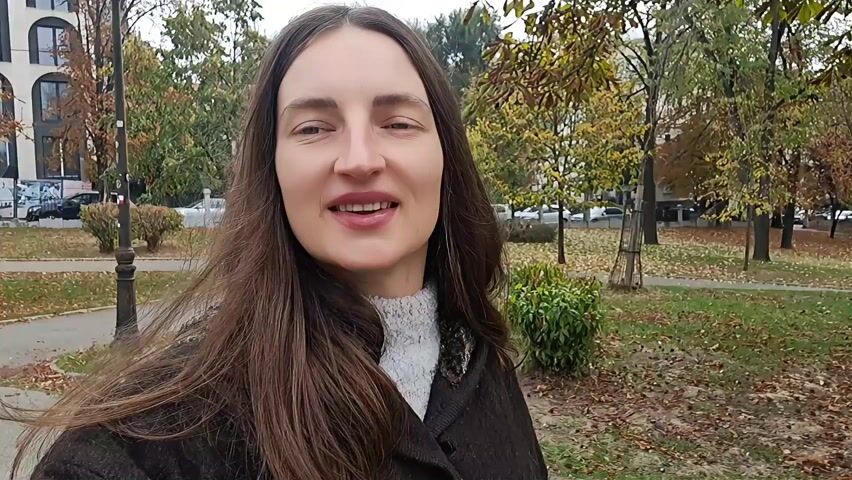
In Belgrade's Vračar neighbourhood, Stefani takes us along the streets she knows best. Her morning walk begins at Kalenić Market, where the produce stalls bring back childhood memories, and continues past historic landmarks, autumn parks and quiet residential corners. It's a personal look at the Belgrade she calls home.
By Stefani - Local Contributor, Belgrade, Serbia
I live in Vračar, one of the smallest and most densely populated municipalities in Belgrade. It's often described as the soul of the city, and after spending time here, I can understand why. It has a lovely mix of busy streets, local markets, cafés, beautiful buildings, parks and quiet residential corners.
I enjoy exploring the neighbourhood on foot, especially in the morning, when the city is just starting to wake up. Many of these places have become part of my everyday routine, and I wanted to take you along and show you some of my favourite corners of this part of Belgrade.
A Morning at Kalenić Market
My first stop is Kalenić Market, the largest open-air green market in Belgrade. It has been here since 1926 and takes its name from Vlajko Kalenić, a merchant and benefactor who donated the land on which the market was built.
You can find almost everything here: fresh fruit and vegetables, dairy products, natural honey, fish, meat, flowers, clothes and even second-hand items. I especially enjoy buying fruit and vegetables directly from the people who grow them. It reminds me of when I was a little girl and my grandpa used to sell his own produce.
I've always liked knowing where my food comes from and supporting small local producers. I also enjoy having a little chat with the people behind the stalls. For me, that's part of what makes visiting a local market so enjoyable. It's a place to do your shopping, but also to catch up with familiar faces and get a feel for everyday life in the neighbourhood.
Walking Through Čubura
After the market, I usually like to wander through the nearby streets and parks. I often come out for a morning walk, especially early in the day, when the city is only just waking up.
One of the neighbourhoods I pass through is Čubura. Its park is a lovely place to take a break from the traffic and spend a little time surrounded by trees. I particularly enjoy coming here in autumn, when the leaves turn yellow, orange and red.
Look out for a sculpture called The Belgrade Reader, which depicts a girl reading while sitting on a swing. It's a small detail in the park, and one I always enjoy seeing when I walk past.
The Temple of Saint Sava
As I continue towards Karađorđev Park, I pass by the Temple of Saint Sava. It's one of the largest Orthodox churches in the world and one of the most recognisable landmarks in Serbia.
Construction began in 1935, although the project was interrupted by the Second World War and took many decades to complete. The building is impressive from the outside, but the interior is just as striking, particularly the enormous golden mosaics and the depiction of Christ Pantocrator inside the dome.
The temple stands on the Vračar plateau, at the place associated with the burning of Saint Sava's relics in 1595. According to Serbian historical tradition, the Ottoman commander Sinan Pasha ordered the relics to be brought there and burned.
I pass by the temple quite often, but I still find myself stopping to look at it. It's difficult to walk past without noticing its enormous dome rising above the surrounding buildings.
A Stop at the National Library of Serbia
Just beside the temple, on my way towards the park, is the National Library of Serbia. It was founded in 1832, making it the oldest cultural institution in the country.
Its history also includes one of the darkest moments of Belgrade's past. During the German bombing of the city on 6 April 1941, the original library building was destroyed by fire. A huge part of its collection was lost, including hundreds of thousands of books, manuscripts and other valuable materials.
The building you see today opened in 1973. The library has reading rooms used by students, researchers and anyone who wants a quiet place to read or study. Foreign visitors can also apply for membership using their passports.
I like knowing that there's a place like this in the neighbourhood. You can come in, find a desk, spend a few hours reading or working, and take a break from the noise outside. It's also a place where a great deal of Serbian cultural and historical material is preserved.
A Morning Walk Through Karađorđev Park
And now I've arrived at one of my favourite places in this part of the city: Karađorđev Park. It's only about a five-minute walk from my home, so I come here quite often.
I particularly enjoy coming early in the morning. There are usually only a few people around, walking their dogs, getting some fresh air or enjoying a little time outside before starting their day.
At this time of year, the park is especially beautiful. I love the different shades of yellow, orange and red, and watching the leaves slowly fall from the trees. Depending on how I feel, I sometimes put on a podcast and walk for a while, but most mornings I'd rather leave my headphones aside and listen to the birds.
I enjoy looking at the trees, watching the leaves move in the wind and having a little time away from the busy streets. It's a simple part of my daily routine, but one I really look forward to.
The park also has an interesting history. During the First Serbian Uprising in 1806, it served as a military camp for the Serbian insurgent army led by Karađorđe, who was fighting to liberate Belgrade from Ottoman rule. Soldiers who lost their lives during the fighting were buried in this area.
In 1848, Prince Aleksandar Karađorđević, Karađorđe's son, erected a monument in their honour. The monument commemorates the fallen insurgents, and a number of their old gravestones can still be seen in the park.
I find it interesting to think about this history while walking along the same paths where people now come to exercise, walk their dogs or enjoy a quiet morning. The park has changed over the years, but traces of its past are still there if you take the time to look.
The Little Streets I Love
On my way home, I like taking a slightly different route through some of the smaller residential streets. One of my favourites has beautiful houses covered in greenery, with plants and climbing vines growing along the walls and fences.
I love walking down here, especially in autumn, when the colours of the leaves blend with the houses and gardens. It almost feels like walking through a little fairy tale. These are the kinds of streets I could walk down again and again without getting bored.
And that's one of the things I enjoy about living in Vračar. You can be walking along a busy street one moment and turn into a much quieter little corner the next. There are cafés, markets, parks, old buildings and small details that you might miss if you're only passing through.
A Little Glimpse of Everyday Belgrade
And that's the end of my morning walk through Vračar. I wanted to show you a little of the Belgrade I experience in my everyday life, through the places I visit regularly and the little corners I've grown fond of.
For me, getting to know a neighbourhood means visiting its markets, spending time in its parks, finding streets you love and discovering the places that gradually become part of your routine.
Vračar has all of that, and it's a neighbourhood I'm happy to call home. If you ever visit Belgrade, I'd encourage you to spend some time exploring it on foot. Take a walk through Kalenić Market, stop by the Temple of Saint Sava, wander through Karađorđev Park and give yourself time to explore the smaller streets along the way.
You might find a few favourite corners of your own.
※ Disclaimer: This story was created by an independent local contributor and reflects their personal experiences, observations, and opinions. Experio does not independently verify all contributor-submitted information and is not responsible for inaccuracies, opinions, or changes in the circumstances described. If you have concerns regarding the accuracy, privacy, copyright, or appropriateness of any content, please contact support@experio.global.